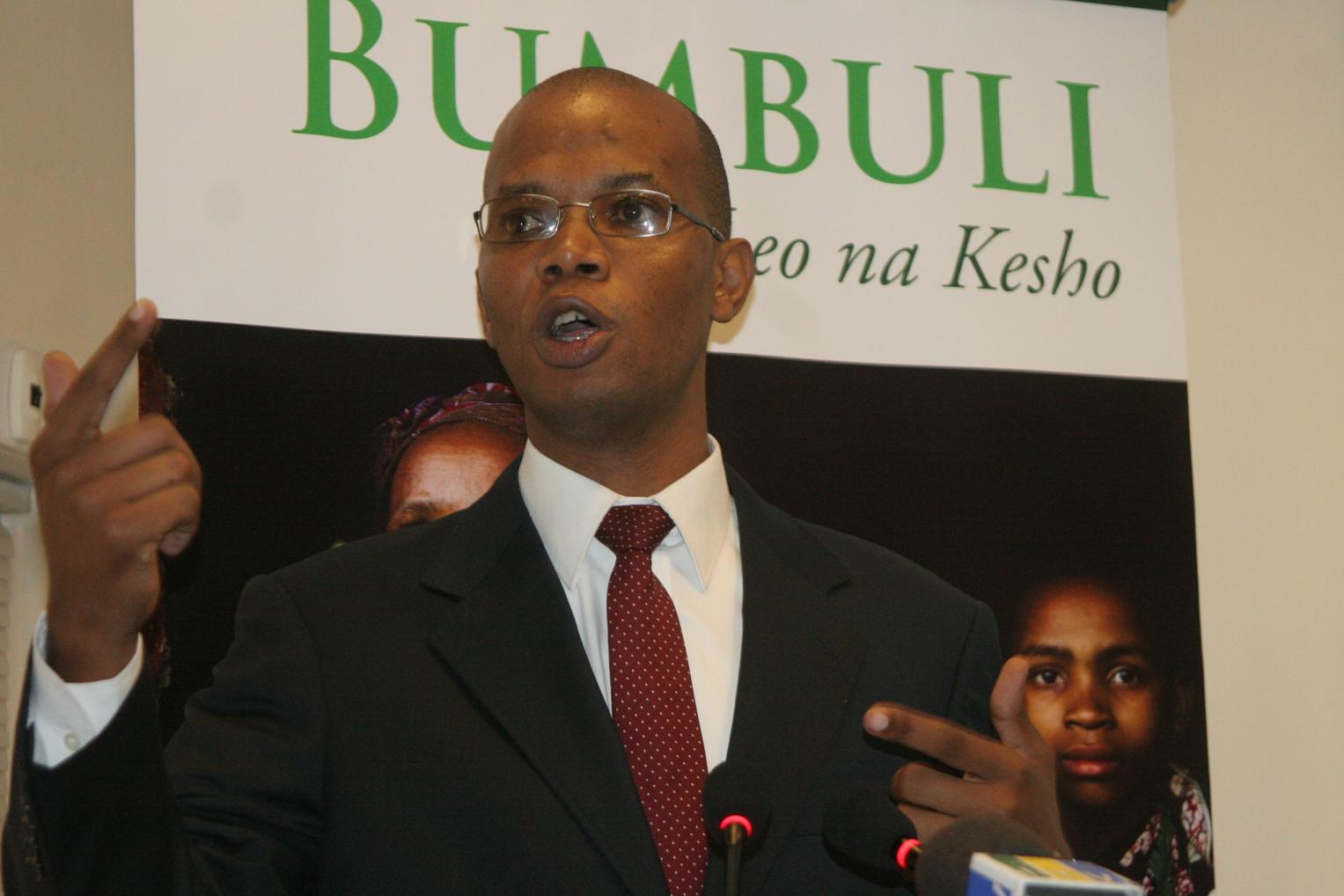
Thursday, April 7, 2011

The Future of Advertising or Publicity Stunt?


Sanchez used to work at his local Ecko outlet store and says his wardrobe is mainly Ecko. And at only $100 for the tat, Sanchez expects that the stunt will pay off. When asked if he was satisfied with the 20 percent reduction, Sanchez remarked, "It should be [at least] 30 percent which is employee discount." He added that he's already showed his body art to the Ecko employees, who told him he's welcome to shop anytime.

It would be interesting to see if the alcohol industry will offer this kind of promotion, or tech giants like Apple.

Saturday, March 26, 2011

The Case for Strong Social Policies & Human Development


Botswana has per capita income of $13,204 in 2008, while Costa Rica has a lower per capita income of $10,870. But Costa Rica has a life expectancy of 79 years and under five mortality rates of 11 yrs/1000 live births. By contrast Botswana, with its rapid economic development ranks low in human development indicators and has life expectancy of 55 years and child mortality of 31/1000 live births. How do u explain this disparity? Its not entirely on HIV and AIDS. Besides, HIV is an epidemic.

Economic development alone in terms of GDP growth or Per Capita income doesn't cut it, if there is no strong social policies to curtail inequality.

Tuesday, March 22, 2011

Why The Markets Hate Libya?

Off Mike Allen's PlayBook

“Libya is a big deal and not helpful to the world economy. At a minimum: Oil supplies disrupted, oil price increase is a drag on growth, war expenditures rip another unbudgeted hole in the budget … Worst case: All of the above, plus: Qaddafi survives and Libya is split between east and west (Benghazi and Tripoli). Egypt exerts dominance over the Benghazi half. Qadaffi teams up with Al Qaeda and unleashes a wave of terror in Western Europe in revenge for U.K., Italy and French participation in the coalition, Russia rearms Qadaffi, China gets the oil and Europe is driven closer to Russia (energy dependence now with no nuclear coming online and no Libyan oil). Over time, this starts to look like Iraq from 1991-2003, with a no-fly zone and ineffective oil-for-food sanctions and Saddam (now Qadaffi) still in power and a permanent thorn in our side. … Markets hate uncertainty and this situation has nothing but.”

Friday, March 18, 2011

Swagga la Peter Msechu

It should be a treat catching this guy performing live with his own band. I hope that is his plan. In this clip, he is performing Shida, which by itself is a classic track.

Tuesday, March 15, 2011

Digital Africa


From INTELLIGENT LIFE Magazine, Spring 2011

There were about 17m Facebook users in Africa at the start of this year, and there are expected to be 28m by the end of it. That means Africa is by far the least Facebooked continent, but the growth patterns indicate that the numbers will surge ahead as mobiles and data become more affordable. Facebook is already making its way in poorer countries. The number of Facebook users in Tanzania quadrupled in 2010, to 200,000. It is expected to quadruple again this year, giving Tanzania more Facebook users than graduates.

Interesting observation

There are signs that a new generation is outmanouevring the old. January Makamba, a youthful Tanzanian politician touted as a presidential hopeful, used Facebook to rally supporters and money when he won a parliamentary seat for the Bumbuli constituency in the hills between Mount Kilimanjaro and the Indian Ocean last year. Makamba brought an aide on the campaign trail whose role was to take pictures and write stories for Makamba’s Facebook page. The target audience was not impoverished Bumbuli, but Makamba’s peers back in the city: a sophisticated web presence was meant to attract ideas and funds and set Makamba apart from the bruisers, apparatchiks and army officers who also have designs on the presidency

Thursday, March 3, 2011

Is Libya Obama's Rwanda?


There are striking similarities, back then The US Marines were fresh off their embarrassment in Mogadishu and didn't want any part of foreign humanitarian intervention. Resulted (part of the blame) into a genocide in Rwanda.

Flash forward today, you have two failed military interventions in Iraq and Afghanistan and nobody want to touch Libya--despite the evidence that Gaddafi is committing war crimes against his people. How are we going to look back at this moment?

Wednesday, February 23, 2011

Irrelevance of African Union

In Standard three we were taught that Tunisia, Egypt, and Libya are all African countries and members of then OAU, now AU. The recent events in Egypt and even the bloodshed in Libya have brought up the idea that are these countries really Africa's? As of now, Arab League held a meeting condemning the events in Libya, UN security council had a meeting and released a statement about Gaddafi. Surprisingly African Union, has been busy sorting out Laurent Gbagbo's mess and haven't put a single statement about Libya. African Union is rendered irrelevant on these recent issues which enhance the perceived notion of inferior Africans.

Now, it is known that many African leaders fear Gaddafi. The guy funded Charles Taylor and Iddi Amin, maybe many leaders do not want to cross Gaddafi just in case he made out of this mess. But this is the moment for African Union to become what it ought to be. Make a forceful statement against the violence in Libya and condemn Gaddafi's response to his own people. If AU has an ambition to become a respectable body in the global governance, they need to seize this moment. Otherwise, it should cease to exist.

Friday, February 18, 2011

Globalization, Trade, HIV, & Profit

The stark example of how the globe is intertwined. Kenyans are protesting the trade agreement between India and EU. EU is proposing a trade with India (the largest producer of generic ARVs). Currently EU is gunning for "data exclusivity" clause that will delay production of cheaper generic drugs for at least 5 years. Kenyan's movement is aided by MSF which obtain 80% of its ARVs cheaply from India. And as of today, 80% of ARVs purchased by "donors" comes from India.

The World Trade Organisation’s trade agreement — which India must comply with — does not require data exclusivity. The EU wants India to add this optional restriction on drug-safety data for the benefit of European-based drug companies, not for the benefit of India. That’s why, until now, India’s commerce and health ministries have strongly opposed it. So has Brazil, India’s closest economic cousin.

Second, gutting India’s own laws. Astonishingly, even if India’s own patent office determines that a product does not warrant patent protection, data exclusivity could be used to subvert India’s Patent Act. The act’s framers strived very hard to limit patents to truly inventive products. That’s why India’s law does not permit patents on a new drug that offers only modest revisions to an existing drug compound (for example, by altering dosage), which does nothing to enhance therapeutic benefits.

Earlier this month, for example, India rejected Abbott Laboratories’ request for a patent on its HIV drug Kaletra, because it did not consider it inventive. Kaletra is a combination of two earlier HIV medications, lopinavir and ritonavir. Now, as a result, Indian firms can proceed with production of cheaper, generic versions of this critical drug, which attacks HIV-virus mutations that have become resistant to older drugs.

Tragically, if the EU-India agreement is signed, legal decisions like this one will be meaningless. Data exclusivity will impede production of generic drugs for TB, cancer, and other chronic diseases. Unlike patents, however, data exclusivity cannot be challenged under Indian law.


The Europeans are conniving for the clause which even their own influenced WTO refuses to accept and the ramifications of this agreement will have dramatic impact on how we treat HIV patients in low-income countries. It goes to show that even if LICs have perfect policies and leadership, there are somethings that are out of their control. Until we establish some sort of economical sovereignty, we will always be forced to agree into dubious trade agreements--which are quintessential to morer poverty.

Read the rest here

Thursday, February 17, 2011

The Children of Men Triumph over The Mighty Barca

Who said you can't beat Barcelona on their own brand of football?

<a href="http://msn.foxsports.com/foxsoccer/video?vid=c22b11af-aac0-43c0-99f8-c3028a31bcd3" target="_new" title="">CL Highlights: Arsenal/Barcelona</a>

Wednesday, February 16, 2011

Selling Foreign Aid

In the midst of austerity measures and looming deep cuts from the "donors" budgets. An interesting read to sell foreign aid to the skeptic masses.

So perhaps the public does not need to be persuaded that development matters, but needs instead to be convinced that aid makes a difference. Even so, it seems reasonable to say that we should use every argument at our disposal for aid: we should appeal to the public’s self-interest as well as their moral values, and we should at the same time set out the evidence that aid works.


The most popular critique of aid in recent years, Dead Aid by Dambisa Moyo, does not challenge aid on the grounds that the plight of the poor is not our concern. It is a poorly argued book in many other respects, but it would be wrong to accuse Dr Moyo of callous indifference. Indeed, all the famous aid sceptics, from P. T. Bauer to Bill Easterly, explicitly accept development as the objective: they simply question whether foreign aid is a good way to achieve it.


The aid that was used to prop up Mobutu in Zaire during the Cold War may have served a foreign policy interest, but it did little or nothing to reduce poverty and raise living standards in that country. Money used today to buy food aid may be a convenient subsidy for American and European farmers but if we bought the food locally we could feed twice as many people with the same money and at the same time support the growth of sustainable agriculture in developing countries. The more we use aid to support our strategic and commercial interests, the less effective that aid is likely to be in the fight against global poverty, in which we have an important long-term interest.

The above paragraph demonstrate what is really wrong with the current aid structure. Not only the WFP food, the same system is applied in PEPFAR/Global Fund drugs. Effectively (with TRIPs) destroying South's capacity in pharmaceutical industries. Yes, South needs aid, but it shouldn't be used as North's corporates welfare.

The rest of the article.

Saturday, February 12, 2011

RT @Gladwell


sMALL CHANGE

Why the revolution will not be tweeted.

by Malcolm GladwellOCTOBER 4, 2010

Social media can

Social media can’t provide what social change has always required.

At four-thirty in the afternoon on Monday, February 1, 1960, four college students sat down at the lunch counter at the Woolworth’s in downtown Greensboro, North Carolina. They were freshmen at North Carolina A. & T., a black college a mile or so away.

“I’d like a cup of coffee, please,” one of the four, Ezell Blair, said to the waitress.

“We don’t serve Negroes here,” she replied.

The Woolworth’s lunch counter was a long L-shaped bar that could seat sixty-six people, with a standup snack bar at one end. The seats were for whites. The snack bar was for blacks. Another employee, a black woman who worked at the steam table, approached the students and tried to warn them away. “You’re acting stupid, ignorant!” she said. They didn’t move. Around five-thirty, the front doors to the store were locked. The four still didn’t move. Finally, they left by a side door. Outside, a small crowd had gathered, including a photographer from the Greensboro Record. “I’ll be back tomorrow with A. & T. College,” one of the students said.

By next morning, the protest had grown to twenty-seven men and four women, most from the same dormitory as the original four. The men were dressed in suits and ties. The students had brought their schoolwork, and studied as they sat at the counter. On Wednesday, students from Greensboro’s “Negro” secondary school, Dudley High, joined in, and the number of protesters swelled to eighty. By Thursday, the protesters numbered three hundred, including three white women, from the Greensboro campus of the University of North Carolina. By Saturday, the sit-in had reached six hundred. People spilled out onto the street. White teen-agers waved Confederate flags. Someone threw a firecracker. At noon, the A. & T. football team arrived. “Here comes the wrecking crew,” one of the white students shouted.

By the following Monday, sit-ins had spread to Winston-Salem, twenty-five miles away, and Durham, fifty miles away. The day after that, students at Fayetteville State Teachers College and at Johnson C. Smith College, in Charlotte, joined in, followed on Wednesday by students at St. Augustine’s College and Shaw Uni


Read more http://www.newyorker.com/reporting/2010/10/04/101004fa_fact_gladwell?printable=true#ixzz1DmCPzayp

Wednesday, February 2, 2011

A Crisis: NECTA 2010 Form IV Results

This simple graph tells the shocking story of the countrywide O Level (Form IV) examination results for 2010 which were recently announced. Half of the students obtained division zero; this number rising to almost 89% as the total in "non-pass" grade. The passing grades (Divisions I to III) are merely 11.41%. Certainly "Is Our Children Learning" is no longer the question here (see 2 previous postings). Question is, what are we doing about it?

MATOKEO YA KIDATO CHA NNE 2010
DARAJAWANAFUNZI%
I5,3631.51%
II9,9422.81%
III25,0837.08%
IV136,63338.59%
0177,02150.00%
354,042100.00%
Jumla ya waliofaulu (Daraja la I mpaka III)11.41%
Jumla ya wenye Daraja la IV na wasio na Daraja: Yaani "ZERO"

88.59%
(source is Wanazuoni forum)

Education: "Tanzania Beyond Tomorrow"

The latest Form IV results puts another perceptive on the educational challenges we face and possible remedies. Here are the efforts of Tanzania Education Trust in collaboration with Accenture Development Partnerships...

Tuesday, January 11, 2011

Generosity and Patient Capital


Post on: http://blog.acumenfund.org/2011/01/11/generosity-and-patient-capital/

By Sasha Ditchter

Activity and interest in the “impact investing” space is accelerating. There are now more than 192 “impact investing funds” and JPMorgan thinks this could be a $1 trillion market. Not surprising that Lucy Bernholz, writing in the Stanford Social Innovation Review, ranked “impact investing” and “social entrepreneurs” as two of the top 10 Philanthropy Buzzwords of the Decade.

Meanwhile, Matt Bishop of The Economist just argued this week that 2011 will be the year of reckoning for social enterprise.

There’s no doubt – with everything that is happening in the microfinance space and with the growth of our sector – that we all should face and will face increased scrutiny. Now is our chance to define what we are building and why, to define the terms of success and failure, and to build the tools to hold ourselves accountable.

In this talk at the NextGen:Charity conference, I describe how I see the threads of philanthropy, investing, generosity and patient capital weaving together to fight poverty.

Friday, October 15, 2010

"Is our Children learning?"

Shanta Devarajan interviews Rakesh Rajani from Sense Film Production on Vimeo.

I assume many of you by now have already read or learned about the Twaweza's report "Are our Children Learning?" released last month. Above is an excellent interview on this report given by Rakesh Rajani of "Twaweza" and conducted by the Chief Economist for Africa, World Bank, Shanta Devarajan.

Rakesh shares the sobering picture of quality of education in Tanzania despite the country dramatically increasing primary school enrollment and recently receiving an MDG award for the achievement.

Some key findings showing that all this "quantitative success is hollow":

  • About 20 percent of the children who had completed seven years of primary school could not read their own language, Kiswahili, at the Grade 2 level;
  • Half of them could not read English, which is the medium of instruction in secondary education;
  • And about 30 percent could not do a simple (Grade 2) multiplication problem.

So what do we do now? His suggestions:

1) We need to make sure money (budgetary allocation) reaches the schools.

2) A social compact with Teachers to improve their conditions in exchange for better results.

3) Reforming the education system to add more incentives that reward what matters eg cash on delivery.

Other key findings in the report can be read here.

What are your suggestions?


Thursday, September 30, 2010

Essays From South Sudan

I happened to be in the midst of six months stint in South Sudan. I finally had a chance to write and reflect on this place.


The Rights of a Man
(By Thuwein Makamba)

A man wakes up in the morning, facing the daunting task of providing for his family; making sure there is food on the table for his children, and that the roof of his Tukul is not leaking when they go to sleep at night. The main means of income for this gentleman is subsidence farming, cultivating round potatoes (famously called Irish Potatoes here). His wife is making her contribution by buying and selling small items at the local market, with the little one on her back at all times. She has four children despite having been pregnant six times. Their three year old son, who has paralytic polio, is playing at home. His brother is four years old with a bloated stomach indicating some sort of malnutrition. Their sister, who is twelve, is the head of the family whenever her parents venture out to find a living. She cooks, feeds, and baths her siblings without ever complaining. In the evening, she is helping out with alcohol sales of the family business. She is also enrolled in nearby primary school in Standard four, but she is incapable of reading and performing basic math. There are not enough motivated teachers in her school, and her class takes place under the mango tree that makes it difficult to learn especially now that it’s the rainy season.

When malaria strikes, which seems to happen on regular basis, (I came down with malaria twice within my first two months here), the man takes his sick one to a nearby health center. This is usually a woman’s job, but on this occasion his wife is attending a funeral of the death of her newly born nephew who succumbed to neonatal tetanus. The health center, which is one structure with four different rooms, was constructed by an American NGO and has a big sign at the entrance that reads; “A Gift from The American People”. Although its only 10 am, the health center is closed. The man decides to wait, while his 3 year old is getting more lethargic. Around 11 am the health worker in charge shows up. He makes a point to let everybody know that he hasn’t received his salary since election time (March, 2010) and he also has a family to feed. The center was designed to have twelve health staff members, but he is the only one who showed up. As clinician in charge, he completed a nine month training that anointed him to be a competent healthcare provider in this village. He attended to the three year old with disregard to the highly promoted WHO’s IMCI guidelines, despite attending refresher training on IMCI provided by an NGO operating in this area. There is neither a microscope nor a microscopist here. A rapid diagnosis test is used; ParaCheck is the brand of choice—despite ample evidence of false positives from the Paracheck brand. the clinician doesn’t know any better. The three year old is diagnosed with malaria, and the man is compelled to ride his bicycle for three hours to buy his son malaria medications. The free medications at the health center arrived with only three months left on the expiration date. This is the place where they dump their drugs. A man then spends his hard earned 4 dollars and 42 cents to buy a dose of Switzerland imported Coartem. Hoping this time around his son’s malaria will never come back again. Hope is the only thing that he has going for him, he cannot afford to have that taken away.

This man, not knowingly— has been at the center stage of a global debate that has included Bono, Bill & Belinda Gates, Ban Ki Moon, and every other expert in between. He is the star of the blockbuster film called MDGs. This man has been a consistent force behind the recession proof of a billion dollar NGO industry. A lot of ground has been covered in the effort to reduce the burden of extreme poverty experienced by this man. But it is far from being enough and sustainable. The debate has been shifted from the needs of a man, towards how much money can be raised for this man. And the blame has been placed on those rich countries that do not commit enough money to help this man. The truest blame should be placed on those rich countries that implement policies that obstruct a man from improving his income. The very nature of life caters to those who are most adaptive to the conditions on the planet and these persons will prosper. That is why we have antibiotic resistant bacteria. It is a very normal process for poor people to suffer at unequal capacity, and die in unequal amounts compared to their “fittest” counterparts. For folks in the business of reducing the burden of extreme poverty experienced by the man, they need to understand that poverty elimination is rather an unnatural process. We are going against the norm, against the order of nature. However, through innovations, the right incentives, sacrifices, and a little bit of luck—mankind has been able to accomplish many unnatural feats. Reducing the burden of poverty is not impossible, but we have been employing dismal efforts that are unable to match the task at hand.

With the current global efforts, infant mortality rate is to be reduced and free education provided—but the man is not involved in how he can make those remarkable accomplishments sustainable. And that is through revenue generations to help paying the costs of these services. i.e an increased income. The current efforts are heavily directed towards lobbying rich countries to contribute more monetary aid. Instead, this energy should be placed on pressuring them to stop flooding poor countries with subsidized products that effectively destroy the local markets and drive a man further into poverty. OXFAM have reported that eliminating US cotton subsidies would improve the welfare of over one million West African households. But trade issues were barely mentioned in the MDG summit that just ended.

The debate in development assistance for health has been between programmatic vs. health system strengthening approach, but it doesn’t go far enough to speculate on the contribution of a man towards making either of those approaches sustainable. A man is to be given what is perceived to be his needs, and nothing more. The NGOs operating on the ground are obsessed with reporting indicators to the donors to showcase their remarkable performance; they almost forget that numbers are meaningless without the everlasting sustainable impact to this man. The recent obsession with achieving the MDGs (especially 4 and 5) has pushed noble professionals to come up with incredible innovations to reduce maternal and infant mortality rates. From Conditional Cash Transfers, Voucher Schemes, and other demand induced interventions, these ideas are being experimented throughout the poverty arena. The notion that in response to the stimulated demand, the quality of health systems in the tropics will improve and sustain themselves at this high level is a fallacy. But the goal here is wrongly assigned towards achieving MDGs instead of equipping a man with the tools to create wealth for his family.

A man doesn’t need free healthcare, all a man wants is to work and provide for his family—the only thing he wishes to change is his income, which has to match the work he puts into. Unregulated globalization has placed a large barrier towards making this a reality. Today, more income is going to rich countries from the poor ones, and anti-poverty advocates continue to bring a knife into a gun fight. It is time to realize the momentous task ahead and coordinate the efforts accordingly.

I’m meeting up with a man at a local bar; we are watching a football game between Arsenal vs. Liverpool. We have paid 10 cents each to watch this game run on a Chinese imported generator, powered by imported Diesel from who knows where, on an expensive South African DSTV. Sipping his Coca Cola quietly, a devout Christian and an avid Liverpool fan; a man is truly a global citizen but the leaders of the globalized world have tied him with invisible chains that rendered it impossible for him and his family to get out of extreme poverty.

Tuesday, September 28, 2010

"Why the revolution will not be tweeted" - Malcolm Gladwell

In a forthcoming publication for the Rockefeller Foundation, my colleague Edgar Masatu and I reflect on ICTs and Citizen Agency.

The soaring penetration of mobile communication devices around the world is having profound effects on access to information, business models in financial services, forms of social mobilization, and sources of innovation. We explore the ability of social media to serve as an “aggregation of voices from the bottom up,” and cite examples such as social media being credited with amplifying the mobilizing power of Thailand’s Red Shirt protestors and facilitating citizen journalists to “report” on the Chinese and Iranian authorities’ responses to recent street protests. Lawrence Haddad from the Institute of Development Studies in the United Kingdom predicted that driven by ICTs, “people power in development will move into a new age.”

But, should we believe the hype that ICTs may re-shape the relationship between the state and the citizen? Is the technology enhancing citizens’ participation in civic life or their ability to hold governments more accountable? Can social media change politics?

Malcolm Gladwell has a different perspective and does not think that social media is (or can be) an instrument of big change.The article is called ‘Small Change: Why the revolution will not be tweeted” Here is one of his sentences in his inimitable style:
“...Facebook activism succeeds not by motivating people to make a real sacrifice but by motivating them to do the things that people do when they are not motivated enough to make a real sacrifice. We are a long way from the lunch counters of Greensboro.”

Intrigued? Read more at http://www.newyorker.com/reporting/2010/10/04/101004fa_fact_gladwell?currentPage=all#ixzz10odV5zGi

Tuesday, September 7, 2010

Development economics in historical context

UnderstandingSociety: Development economics in historical context

Hollis Chenery and T. N. Srinivasan published the Handbook of Development Economics in 1988. It was state-of-the-art in the late 1980s. It is interesting to look back at the Handbook twenty-two years later to see how it stands up today.

First, the contributors. The volume is a dream-team of development thinkers from the 1970s and 1980s: Amartya Sen, Arthur Lewis, Pranab Bardhan, Joseph Stiglitz, Peter Timmer, Nancy Birdsall, Paul Streeten, and Dwight Perkins, to name only a small subset of the authors. (There are 33 essays in volumes I and II.) Several currently important figures are not represented -- Arturo Escobar, Jeffrey Sachs, and Dani Rodrik, for example. Escobar's Encountering Development: The Making and Unmaking of the Third World appeared in 1994; Jeffrey Sachs's The End of Poverty: Economic Possibilities for Our Time didn't appear until 2005; and Dani Rodrik's One Economics, Many Recipes: Globalization, Institutions, and Economic Growth appeared in 2008. So it is certainly true that the field has moved forward with the emergence of new voices and perspectives since 1988. But it is also true that the volume represents a very deep body of knowledge about some of the dynamics and policy choices pertaining to economic development.

More important is the question of the range of perspectives on development represented in the volume. Development thinking has tended to swing from progressive to neo-liberal over the decades. Progressives have paid more attention to distribution, poverty, and social provisioning; whereas neo-liberals have focused on markets and "getting the prices right," with little appetite for redistribution, government subsidies, or serious efforts at poverty reduction. Gunnar Myrdal, Amartya Sen, and Arturo Escobar represent three generations of progressive development theorists; perhaps Peter Timmer, Malcolm Gillis, and Jeffrey Williamson fall closer to the neo-liberal end of the spectrum. I would judge that the Handbook does a pretty good job of finding the middle of the spectrum. Chenery's own emphasis on the importance of redistribution in development (Redistribution with Growth) places him closer to the progressive end, along with Pranab Bardhan, Irma Adelman, and Lance Taylor (each of whom has a contribution in the volume). The book pays attention to "alternative approaches" to economic development as well as poverty-related issues like health and nutrition. The book does a good job of combining a clear vision of the goals of economic development -- improvement of human welfare -- with technical economic analysis of growth, labor markets, and trade. And many of the authors explicitly recognize the point that development economics benefits from theoretical pluralism; the approach is not narrowly neo-classical.

Tuesday, August 3, 2010

Hotuba ya Matokeo Kura ya Maoni


HOTUBA YA JANUARY MAKAMBA BAADA YA KUTANGAZWA KWA MATOKEO YA KURA ZA MAONI YA UBUNGE JIMBO LA BUMBULI KWA TIKETI YA CCM ILIYOTOLEWA KATIKA UKUMBI WA OFISI YA CCM WILAYA YA LUSHOTO, JUMATATU TAREHE 2 AGOSTI, 2010 .

(Imeandikwa baada ya kuzungumzwa).

CCM Oyee! (Oyeee!)
CCM Oyee! (Oyeee!)
Bumbuli mpoo? (Tupoo!)

Nashukuru sana.

Sasa, nianze kwa kumshukuru Mwenyezi Mungu kwa rehema zake. Tupo tumefika hapa leo tulipo kwasababu ameamua iwe hivyo. Ametujalia uhai, uzima na afya kati yetu. Kwahiyo ni muhimu kumshukuru.

Pili, napenda kuwashukuru wazazi wangu kwa malezi mazuri, kwa mchango wao mkubwa kwenye maisha yangu mpaka nimefikia hapa nilipofikia leo. Pia familia yangu – mke wangu na wanangu wawili – bahati mbaya hawapo [hapa] – wamesafiri. Lakini nawashukuru kwa kunitunza, kwa kukubali kukabiliana na hizi presha za siasa, na kuniunga mkono na kuwa na mimi wakati wote.

Lakini vile vile namshukuru bosi wangu, Mheshimiwa Rais Jakaya Mrisho Kikwete. Namshukuru kwa kunikubalia nimtoroke kidogo kazi na kuja kufanya huu mradi, na namshukuru kwa ushauri na malezi ya kisiasa aliyokuwa akinipa wakati wote.

Lakini sana sana, nawashukuru wana-CCM wa Bumbuli kwa kuniamini - kwa kuniamini kwa kiasi kikubwa namna hii kwa kunipa kura nyingi sana. Waswahili wanasema, “Imani huzaa imani”. Imani waliyonipa kwa kura wanizonipa ni kubwa sana. Tutasherehekea leo, lakini kesho tutakumbuka kwamba kura hizo ni…maana yake ni kwamba wanategemea mengi kutoka kwangu. Na mimi naahidi kwamba sitawaangusha. Nitaibeba bendera ya Chama chetu cha Mapinduzi, na kuipeperusha na kuinadi Ilani yetu kwa uwezo wangu wote, kwa maarifa yangu yote na vipaji vyangu vyote nilivyojaliwa na Mwenyezi Mungu. Na naamini kabisa kwamba Chama chetu kitapata mshindi mkubwa sana kwenye jimbo la Bumbuli.

Lakini pia ningependa kuwashukuru wenzangu - wagombea wenzangu tulioshiriki nao, kwa kuonyesha ustaarabu mkubwa. Tumevumiliana, tumeheshimiana kwenye mchakato mzima. Ndugu yangu Kaniki mmemuona mwenyewe ni kijana mzuri, amekomaa vizuri.

Mzee Shelukindo – naomba niseme machache kuhusu Mzee Shelukindo, bahati mbaya hayupo hapa. Lakini kuvunjika kwa koleo sio mwisho wa uhunzi. Leo wana-CCM wameamua… jana wameamua, kwamba mwingine apeperushe bendera ya Chama chao kwenye uchaguzi mkuu. Lakini heshma ya Mzee Shelukindo katika nchi yetu bado ipo pale pale (makofi). Kwa kushindwa kura hizi za maoni, haina maana kwamba heshima yake na rekodi yake ya utumishi imepotea kabisa. Hapana. Ni maamuzi ya wanachama. Binafsi nitaendelea kumuheshimu kama Mzee, lakini [pia] kama kiongozi wa muda mrefu kwenye Serikali. Ni hazina kubwa ya uzoefu kwenye jimbo letu, na bado ni mwanachama wa CCM. Na binafsi nitaenda kumuomba rasmi…hatujakutana tangu tumalize mchakato huu, lakini nitamtembelea nyumbani kwake kumuomba kwamba tusaidiane kikazi (makofi).

Lakini naomba niwashukuru wapiganaji wangu walionisaidia kunadi jina langu. Walionisaidia kuwashawishi wana-CCM wa Bumbuli kwamba mimi nafaa. Nawashukuru kwa kazi nzuri. Ushindi huu uliopatikana ni matunda ya kazi yenu. Lakini vile vile naomba niwaambie kwamba uchaguzi umekwisha jana. Mpambano umekwisha. Sasa hivi sote tunarudi kwenye hema la Chama chetu cha Mapinduzi. Sina uadui na Mzee Shelukindo. Sina uadui na Bwana Kaniki. Sina uadui na Mzee Mshihiri (makofi). Sina uadui na mtu yoyote aliyeshiriki kwenye mchakato huu.

Kwahiyo wapiganaji wangu, nawaomba sana sana sana tuache tambo. Tuache kutambiana. Uchaguzi umekwisha jana. Kazi ya kunipigania imeisha, tunaanza kazi ya kukipigania Chama chetu. Ndio kazi iliyo mbele yetu, na naomba tuifanye kwa umoja, tukishirikiana na wale ambao hawakuniunga mkono kwenye mchakato huu. Kwa nguvu ile ile ambayo mlinipigania mimi, naomba sasa nguvu hiyo muielekeze katika kukipigania Chama chetu kwenye uchaguzi mkuu wa mwezi Oktoba mwaka huu.

Naomba vile vile nitoe shukrani na pongezi zangu kwa uongozi wa Chama Wilaya, Katibu wa Wilaya na timu yake. Wilaya yetu ina majimbo matatu na kata 44. Zoezi hili ni zoezi kubwa, hasa kusimamia chaguzi za madiwani katika kata zote hizi. Ni kazi inayohitaji uwezo mkubwa, inahitaji rasilimani za uendeshaji na uwezo mkubwa wa kiutawala. Natambua kwamba zimejitokeza kasoro za hapa na pale, lakini naamini kwamba kasoro hizo zinatokana na upya wa mfumo wetu huu mzuri wa kurudisha demokrasia kwa wanachama kuchagua ni nani wawasimamishe kupeperusha bendera ya Chama kwenye uchaguzi wa wabunge na madiwani. Naamini kwamba matatizo yaliyojitokeza yatashughulikwa, na wakati ujao tutakuwa na utaratibu mzuri zaidi. Lakini vile vile naamini zaidi kwamba kasoro zilizojitokeza hazikumnyima mtu haki, na kwamba matokeo haya ya Bumbuli ni kielelezo halisi cha matakwa ya wanachama wa CCM wa Jimbo la Bumbuli.

Na mwisho, napenda kuwashukuru wote waliojitokeza hapa kunisikiliza, na nawatakia jioni njema. Nashukuru sana. (makofi)


January Makamba,
Agosti 2, 2010.

Thursday, July 15, 2010

Compay Segundo


Compay Segundo is a legendary Cuban musician, who hit the word stage with his Chan Chan composition made famous by the film Buena Vista Social Club. With his distinct baritone and ubiquitous cigar and big hat, Compay, who was performing until the age of 96 when he died, became an icon. In these two numbers we hear Cuban music as it should be: sweet but still lively without the steroids they put in once it crosses to Miami.

Thursday, July 8, 2010

Rules vs. Norms


After the interruption of the Bumbuli announcement, we now return to our "regularly scheduled program".

Bill Easterly (you can see that I have been following him closely lately), perfectly elucidated a couple of ideas running through my head as I watched Ghana crash out of the World Cup tournament. The piece lay bare some of the conundrums of organising a functioning society. I rehash and summarise some of his arguments from one of his postings in his Aid Watch blog.

"Uruguayan player Luis Suarez illegally blocked a sure Ghana goal with his hands, a goal in the last seconds that would have won Ghana the game. He was ejected according to the rules and Ghana awarded a penalty kick, which they missed, and then Uruguay subsequently won.

Did Suarez cheat? One side would say Suarez realized his team would surely lose if he let the ball go past his hands and lawfully and rationally chose to take the penalty to give his team a chance; the other side says intentionally breaking the rule to prevent a loss was unforgivably unsportsmanlike.

One possible fix is to perfect the rules. If it pays to break the rules, they must be bad rules. The rule could be changed to give an automatic goal in this situation. However, it’s not that easy – it’s impossible to have perfect rules. (The “automatic goal” rule would have worked here, but general application would inevitably lead to new disputes about whether the ball would really have gone in.)

The other solution to imperfect rules is to supplement them with norms. With strong norms in business, a businessman who exploits a loophole to cheat another businessman will often find himself ostracized and will lose a lot of future business, so he doesn’t cheat. Norms can handle complex situations more flexibly than explicit rules, so they are an essential complement to rules.

Unfortunately for Ghana and for a lot of cheating victims in business, norms have to reflect a wide and deep consensus of what is right and a willingness to punish the cheater. If everyone agreed now that Suarez had cheated and will ever after see him as the equivalent of a thieving child-beater, then maybe he would not have used his hands in the first place. Unfortunately, as often happens in developing countries, neither the rules nor the norms were strong enough to prevent cheating and we are the worse for it."

Monday, July 5, 2010

Time Has Arrived!


TAARIFA KWA VYOMBO VYA HABARI

Nimewaiteni kwa mambo mawili. Kwanza, kuzindua kitabu nilichokiandika. Pili, kuzungumzia uvumi na minong’no kwamba natarajia kugombea nafasi ya Ubunge wa Jimbo la Bumbuli.

Nianze na jambo la pili. Baada ya kutafakari kwa kina, na kuzungumza na wana-Bumbuli wenzangu, nimeamua niombe fursa ya kuwa sauti yao, kuwawakilisha na kuwasemea Bungeni, kuwatumikia na kushirikiana nao kusukuma mbele gurudumu la maendeleo ya Jimboni kwetu.

Nimesukumwa na mambo gani?

1. Kwa muda mrefu, nimekuwa na hamu kubwa sana ya kushiriki mijadala ya msingi inayohusu mustakabali wa nchi yetu, nimekuwa na hamu ya kutoa mawazo yangu binafsi na kuyaweka hadharani, kuyaboresha kupitia mijadala na utafiti, na kuyatumia kubadilisha hali za maisha ya watu wa kwetu. Nimeonelea kwamba nafasi ya Ubunge itanipa fursa hii.

2. Naamini kwamba, baada ya kufanya kazi kwa karibu na Rais Kikwete, naweza kuchukua mfano wake kuitumia siasa vizuri zaidi kuitumikia nchi yangu kwa namna pana zaidi. Naamini naweza kushirikiana na vijana wenzangu, wa CCM na wasio wa CCM, kuifanya siasa iwavutie vijana wengi zaidi na ionekane kama ni sehemu ya utumishi wa umma.

3. Asilimia 72 ya Watanzania wana umri wa chini ya miaka 29. Mwaka huu, vijana waliozaliwa mwaka 1992 watapiga kura. Letu ni taifa la vijana. Inabidi ifike mahali vijana sasa wajitokeze kwenye nafasi za uongozi ili sura ya uongozi wa nchi ifanane na hali halisi ya nchi. Tutakapojitokeza wachache na tukafanikiwa, hata vijana wadogo zetu nao watakuwa na hamu ya kufuatilia siasa na tutakuwa hatujawapoteza katika kujihusisha masuala ya nchi na wengine wengi nao watajitokeza kwasababu wataona inawezekana. Hata hivyo ujana peke yake sio sifa ya uongozi.

4. Naamini uzoefu wangu kama Msaidizi wa Rais, kwa kuzunguka na Rais nchi nzima mara mbili, wakati anaomba kura na baada ya kuchaguliwa, ambapo nimelazimika kusoma ripoti za maendeleo za Wilaya karibu zote, ambapo, kama Msaidizi wa Rais, nimehudhuria vikao vya Baraza la Mawaziri na Halmashauri Kuu ya Taifa ya CCM, pamoja na mikutano mingine mingi ya kimataifa na ndani ya nchi, utanisaidia sana kuwa Mbunge mzuri. Naingia kwenye siasa nikiwa nimejifunza mengi kuhusu Serikali na jinsi inavyofanya kazi, nikiwa nimejifunza jinsi baadhi ya maeneo nchini yalivyopiga hatua za maendeleo na mbinu gani wametumia na wale ambao bado hawajapiga hatua ni mambo gani hawajafanya. Nitatumia elimu hii na uzoefu huu kushirikiana na watu wa kwetu Bumbuli kusukuma maendeleo mbele.

Sasa, kutamani Ubunge ni jambo moja, lakini kudhamiria kuwa Mbunge mzuri ni jambo jingine. Nimedhamiria kuwa mtumishi mzuri wa wananchi. Na nimeamua kuufanya mchakato huu wa kuwania Ubunge uwe tofauti kidogo.

Nimefanya utafiti wa kina kuhusu jimbo la Bumbuli. Nimezunguka na kuzungumza na watu wa makundi mbalimbali, vijana , wazee, kina-mama, viongizi, watendaji na wafanyakazi wa Halmashauri ya Wilaya, walimu, viongozi wa vijiji na vitongoji. Nilitaka kujua matumaini yao, kero zao, karaha zao, na mambo yapi wanayatarajia kwa viongozi wao. Nilifanya semina ya siku mbili wa wana-Bumbuli karibu ishirini wanaowakilisha makundi mbalimbali, na tukazungumza kwa kina sana kuhusu masuala ya Bumbuli. Nilipata fursa ya kutazama kwa kina takwimu na taarifa mbalimbali zinazohusu maendeleo ya Jimbo. Nikafanya utafiti wa kina kuhusu dhana nzima ya maendeleo ya maeneo ya milimani. Matokeo ya yote haya ni hiki kitabu. Nimekiita Bumbuli: Jana, Leo na Kesho.

Nilidhani kwamba, kama mtu unaamua kugombea uongozi wa eneo fulani, na kama kweli una dhamira ya dhati ya kuleta mabadiliko kwenye eneo hilo, lazima ujiridhishe kama kweli unayajua mambo ya hapo mahali. Sio kuyajua tu juu juu kwa kuambiwa au kusikia. Uyajue kwa kina, kwa takwimu, na vielelezo na kwa kina. Huwezi kuzungumzia mabadiliko kama huna tarifa zote za kina kuhusu Jimbo lako. Hiki ndicho nilichofanya.

Kitabu nimekimegawanya katika sehemu tatu: Sehemu ya kwanza nimeiita Jana, ambapo tunaangalia historia ya Wasambaa na Usambara kwa ujumla. Historia na utamaduni vina nafasi kubwa kwenye mchakato wa maendeleo. Lazima tuyazingatie haya. Sehemu ya Pili, nimeiita Leo. Yaani Bumbuli ya leo ikoje? Changamoto ni zipi na fursa ni zipi. Na kwa kuzingatia hayo tunaanzaje. Sehemu ya tatu, nimeiita Kesho, ambapo sasa naelezea Bumbuli mpya inaweza kufananaje. Kitabu hiki kitakuwa na matoleo mawili: moja kwa lugha ya Kiswahili na jingine kwa lugha ya Kiingereza. Toleo la Kiswahili litatoka baada ya mwezi mmoja. Nimeamua kuandika kwa lugha ya Kiingereza pia kwasababu nadhani moja ya majukumu ya Mbunge ni kupanua wigo wa washirika wa maendeleo wa jimbo lako. Ningependa watu wengi muhimu na mashuhuri niliokutana nao wakati nasafiri na Rais nje ya nchi nao wapate kukisoma, na kutazama ni kwa namna gani wanaweza kusaidia.

Kwakuwa sasa sio wakati wa kampeni, sio vyema kutumia fursa hii kutoa ahadi ambazo zinaweza kutafsiriwa kama sehemu ya kampeni. Na kitabu hiki hakiongelei chochote kuhusu Ubunge wala Mbunge wala dhamira yangu ya kugombea. Kinatoa fursa kwa mtu yoyote - mwekezaji, mtalii, mtafiti na wengineo – kuifahamu vizuri Bumbuli.

Lakini kwa kuwa mimi nina dhamira ya kugombea Ubunge, nimetumia fursa ya kukiandika ili kujifunza, lakini pia nitakitumia kama mwongozo wangu.

Kwenye kitabu tunaona kwamba asilimia 90 ya wakati wa Bumbuli wanategemea kilimo. Hata hivyo, wakati Tanzania nzima wastani wa wakati kwa eneo ni watu 49 kwa kilomita moja ya mraba, Jimbo la Bumbuli wastani ni watu 309 kwa kilomita moja ya mraba, na wastani wa watu wanne wanalima katika hekta moja ya ardhi. Maana ya takwimu hizi ni kwamba watu wana vishamba vidogo sana, na uzalishaji ni mdogo na tija ni ndogo. Kwahiyo, ni muhimu kubadilisha hali hii. Nitashirikiana na wananchi kuhakikisha tunaongeza tija kwenye kilimo lakini vilevile tunajikita kwenye kuzalisha mazao yenye thamani kubwa zaidi, na kutafuta soko la maana la mazao ya wakulima.

Katika Wilaya ya Lushoto yenye majimbo matatu, zao la chai linalimwa kwenye Jimbo la Bumbuli pekee. Lakini ukiwatazama wakazi wa Bumbuli huwezi kujua kwamba wanalima zao lenye soko la dunia. Ukitazama kwenye kitabu nimejaribu kulinganisha kati ya mkulima wa chai Rungwe na yule wa Mponde, kule kwetu. Inasikitisha. Wastani wa bei ya majani mabichi ya chai kule Bumbuli ni shilingi 130 kwa kilo, wakati Rungwe ni karibu mara tano ya hiyo. Chai ni ile ile na mnada wa chai ni huo huo kule Mombasa. Wakulima wa chai Bumbuli wanatumia eneo kubwa zaidi kwa asilimia 40 kuliko wale wa Rungwe lakini tunazalisha kidogo zaidi – kwa tofauti ya kati ya kilo 200 hadi 330 za majani yaliyosindikwa kwa hekta. Utafiti wa mwaka 2008 unaonyesha kwamba asilimia karibu 20 ya mashamba ya chai yametelekezwa kwasababu wakulima hawaoni tena faida ya kulima chai. Nimeazimia kushirikiana na wananchi kupata ufumbuzi wa matatizo ya wakulima wa chai.

Tunaona kwamba huduma bado ni tatizo. Wakati wa mvua barabara nyingi hazipitiki na shughuli zinasimama. Watu wanashindwa kwenye kupekeka maiti kwa mazishi au kwenye kuhudhuria harusi au maulidi kwasababu barabara muhimu, kwa mfano ya Soni-Bumbuli, hazipitiki. Mbaya zaidi ni kwamba kule kwetu mvua ni karibu kila siku. Katika jimbo zima la Bumbuli hakuna hata tawi moja la Benki. Inawezekanaje mahali watu wanalima zao kubwa kama chai, wana biashara kubwa za mboga na matunda lakini hawana hata tawi moja la Benki. Matokeo yake ni kwamba hakuna mikopo, na hakuna huduma ya kuweka fedha. Hali hii lazima ibadilike. Lushoto nzima lipo tawi moja tu la Benki. Lakini ukiangalia mahesabu ya lile tawi, pesa zinazowekwa ni maradufu ya pesa zinazokopeshwa. Maana yake ni kwamba ile Benki iko pale kukomba pesa za eneo lile, eneo la watu ambao ni masikini, bila kutoa huduma za mikopo. Hili na lenyewe nitalitazama.

Kwenye elimu, bado ziko changamoto nyingi. Watoto wengi hawamalizi shule ya msingi. Mwaka huu, 2010, wanafunzi 1,286 hawakuingia darasa la saba kutokea darasa la sita, na kati hao, tofauti na sehemu nyingine nchini, wengi wao, karibu asilimia 71, ni wavulana. Lazima tumalize tatizo hili.

Serikali imejitajidi kujenga shule nyingi za Sekondari. Lakini bado mahitaji yapo. Hadi sasa, wanafunzi waliopo darasa la saba ni takriban 5,548. Kama wote wataingia kidato cha kwanza, yatatakiwa madarasa mapya karibu 160 na walimu wengi zaidi, jambo ambalo haliwezekani kwa muda uliopo. Lakini tukienda na mwenendo wa hali halisi, labda asilimia 8-10 ya wanafunzi hawa, yaani wanafunzi kati ya 450 hadi 550, ndio wataingia kidato cha kwanza, na nusu ya hawa ndio watamaliza sekondari. Je, hawa wengine wanaenda wapi? Nitakaa na wananchi wa Bumbuli na kuzungumza kwa kina kuhusu yote haya. Tunapaswa kuongeza shule za Sekondari na hata zile zilizopo zinapaswa kuimarishwa ili kuwa na hadhi na uwezo wa kutoa elimu bora. Katika Jimbo la Bumbuli hatuna shule hata moja ya kidato cha tano na sita. Hili tutalirekebisha.

Huduma ya afya na yenyewe bado haijawafikia wananchi wale kwa kiwango cha kuridhisha ingawa jitihada zimefanyika. Kwa kweli yapo mengi ambayo siwezi kuyamaliza kuyazungumzia yote. Lakini nimejiandaa vizuri. Nimefanya utafiti wa kina kuyajua matatizo ya Bumbuli, nimezungumza sana na watu wa Bumbuli, wazee kwa vijana, kina mama kwa watoto, wanyabiashara, viongozi wa dini, na viongozi wa vijiji na vitongoji, na wamenieleza mambo gani wanayatarajia, na mimi nimejiandaa kushirikiana nao kuyafanikisha.

Nawashukuru kwa kunisikiliza

January Makamba
5 Julai 2010